Join Our Investment Team!
Press Release
2025 was a year of strong progress across the Synthesis Fund I portfolio. From scaling transformative technologies to securing strategic commercial partnerships, during the year our companies continued to cement their advantaged competitive positioning within the food tech and broader biomanufacturing sectors. This update highlights just some of the progress publicly-announced by our companies under six high-level themes.
In 2025, several of our portfolio companies announced strategic commercial partnerships with leading incumbents. This represents firm validation of their enabling technology platforms, and positions them strongly for commercial-scale adoption.
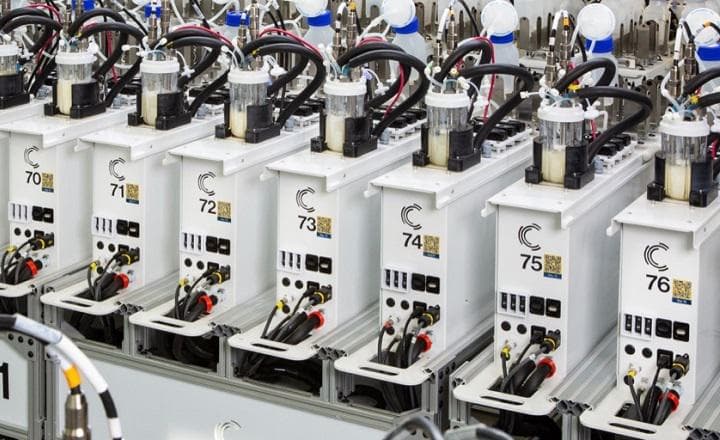
As examples, Culture Biosciences formalised a landmark partnership with Cytiva, a global leader in life sciences tools, owned by life sciences giant Danaher. Cytiva is negotiating to become the exclusive distributor of Culture’s Stratyx™ 250 bioreactor, a breakthrough product in cloud-integrated bioprocessing hardware that launched commercially in April. The Cytiva partnership represents a significant commercial milestone for Culture’s hardware platform following its technical de-risking, and accelerates its path to global scale. Discussions are also underway for a joint technology development project focused on a larger reactor, signalling long-term alignment between the two companies.
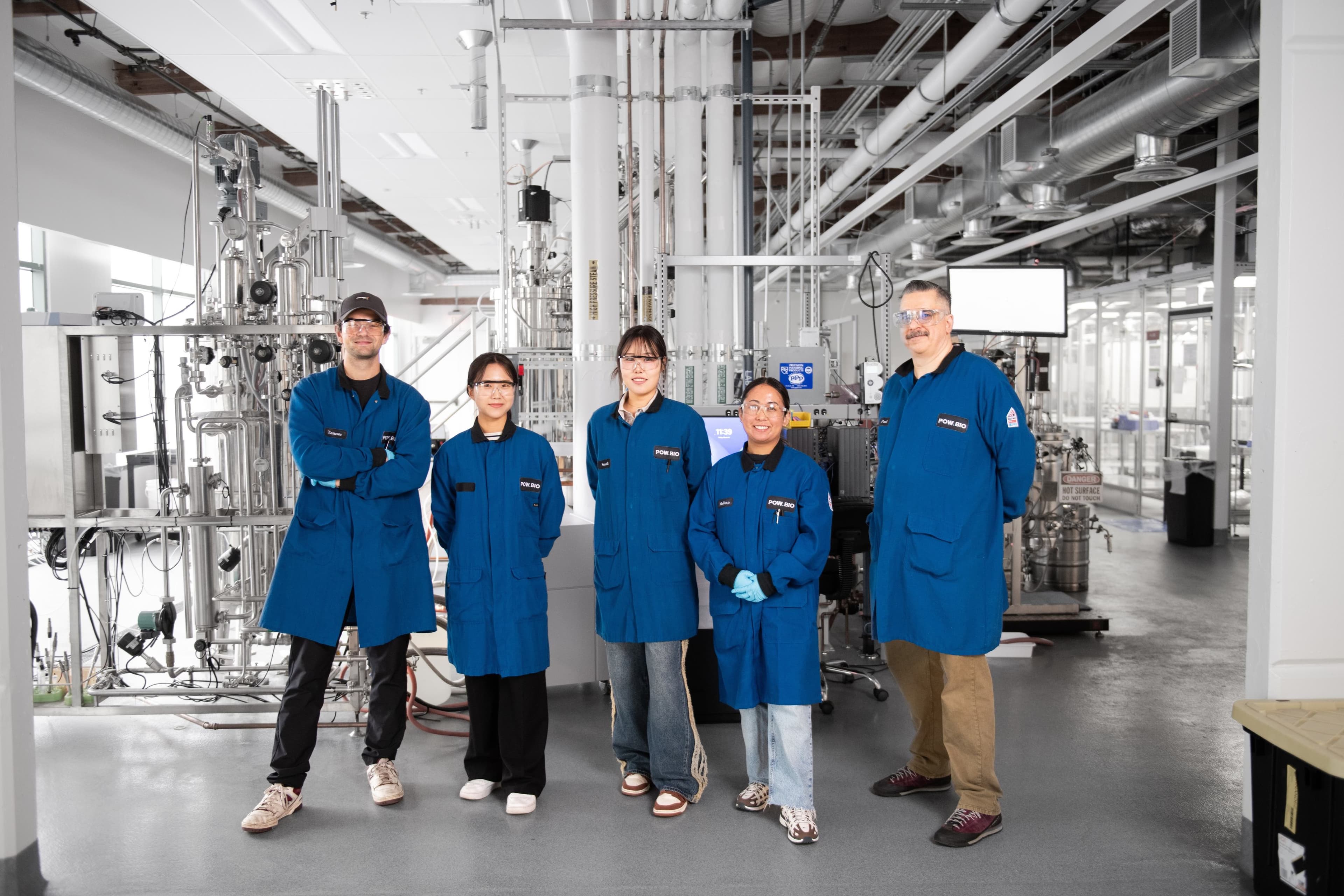
Pow.Bio advanced its commercialisation efforts after successfully completing a tech transfer project at a food-grade CDMO facility, proving the scalability and versatility of its continuous fermentation platform. Specifically, Pow announced a commercial collaboration with Bühler, a multinational leader in food and agri-industrial equipment. This partnership combines Pow’s disruptive technology with Bühler’s engineering and industrial deployment expertise.
Digital innovation, driven by advancements in AI, is reshaping bioprocessing and product development. Several Synthesis portfolio companies have been at the forefront of developing AI tools for these applications.
Culture Biosciences accelerated the evolution of Console, its cloud-native bioprocess management software. Notably, Culture is pioneering an AI-enabled Design of Experiments tool that optimises experimental design, which could result in a leap forward in digital bioprocessing.
Triplebar accelerated the development of its platform for AI-driven cellular optimisation, by leveraging the large amounts of proprietary high-quality data that it has accumulated from its high-throughput microfluidics screening platform. Key milestones included a research collaboration with Google DeepMind, validating Triplebar’s approach to integrating predictive AI with biologics development and microbial strain engineering.
Equinom advanced its Manna AI platform, leveraging a decade of proprietary data to predict wheat baking quality and functional properties with a high degree of accuracy. Adopted by Stybel Flour Mills, Israel’s largest milling company, Manna AI is now in pilot testing across Europe and the US. This technology has the potential to transform grain valuation and pricing, delivering efficiency and transparency to global supply chains.
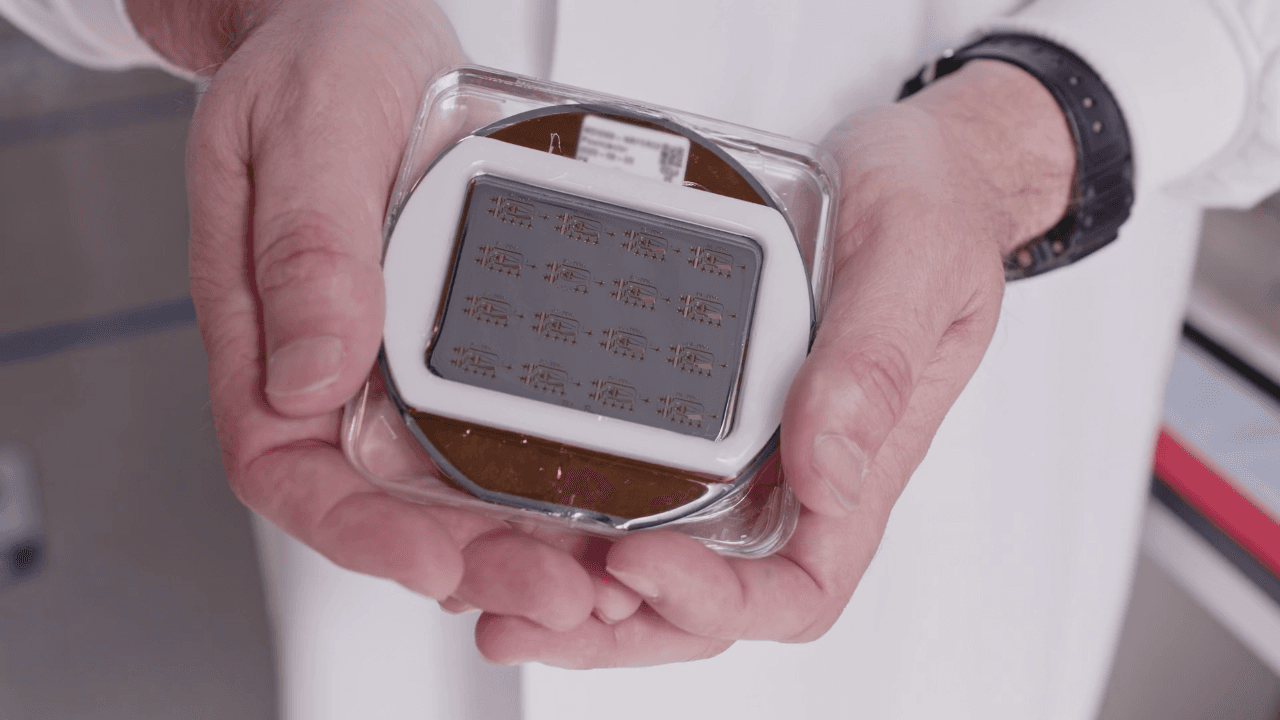
Many of our portfolio companies made significant strides in scaling their manufacturing capabilities in 2025, representing a meaningful step towards cost-competitiveness of their products.
Construction of Perfect Day’s first commercial scale manufacturing facility is well underway and on track for commissioning in 2026. This facility will be central to Perfect Day’s strategy of delivering sustainable dairy proteins using precision fermentation at industrial scale, and the company has already contracted the entire volume of offtake from the first phase of the facility.
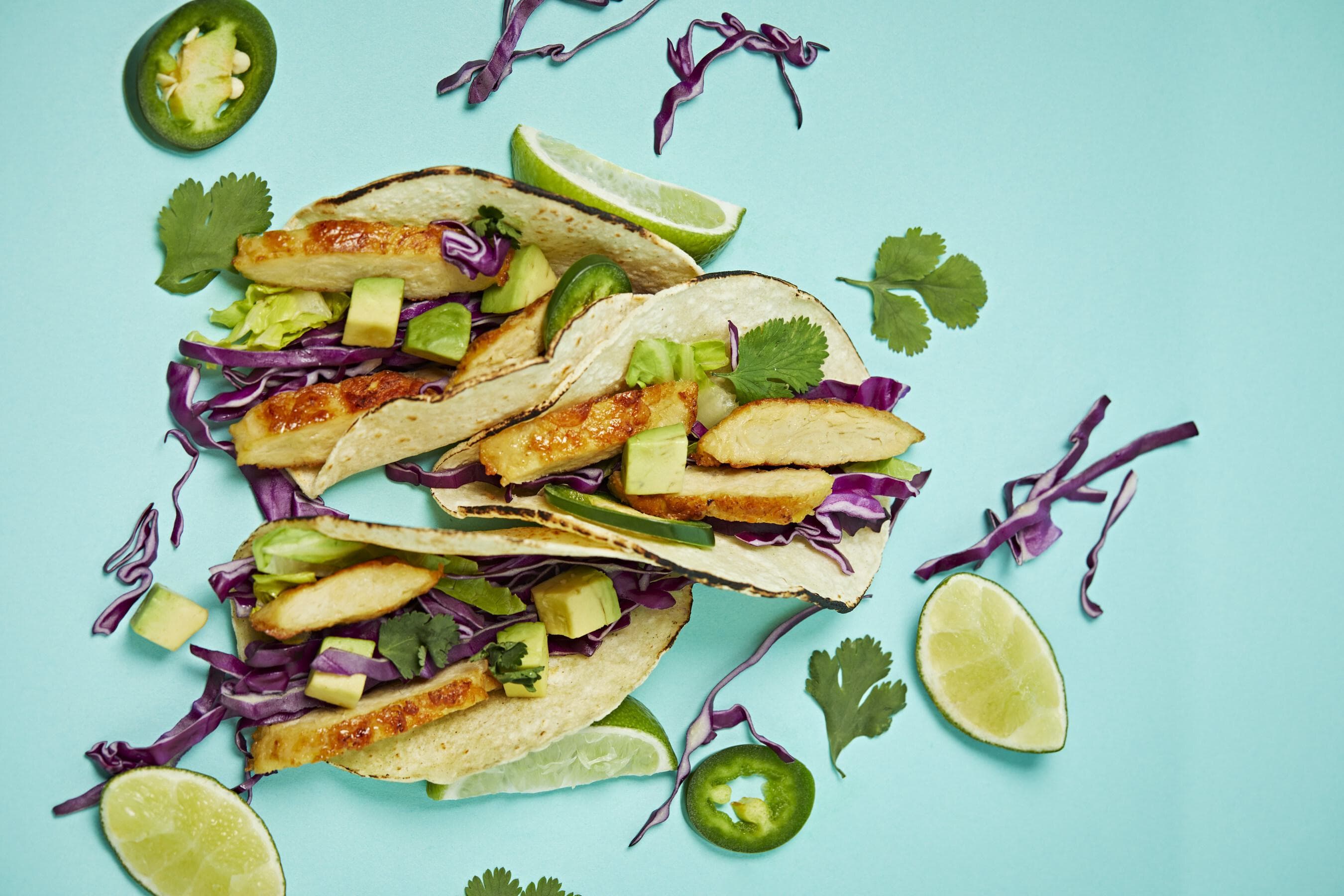
On the cultivated meat side, Upside successfully completed its facility expansion, commissioning several commercial-scale reactors and running commercial-scale production batches. The expanded facility will enable the company to produce and sell large-scale volumes of cultivated chicken. Their chicken products are currently being sampled through tastings and large consumer-facing events, as they await regulatory approval to begin sales. On another note, Upside also won the first stage of a legal battle against the state of Florida’s cultivated meat ban earlier in the year. However, the ban has not yet been overturned, and litigation continues in federal court.
2025 saw a number of exciting commercial launches that signal growing consumer and industry traction for superior food tech products.
Redefine Meat expanded its footprint across Europe, introducing Redefine Burgers in Hilton Hotels and securing listings with major retailers such as ASDA in the UK and EDEKA and Rewe in Germany. These partnerships mark a significant step towards mainstream adoption of its products in retail and food service.
Savor, meanwhile, kicked off its commercial launch in the US with high-profile media dinners, generating widespread media interest and coverage, for example by CNBC and Fast Company. The launch showcased Savor’s animal-free butter, a product that is already gaining popularity amongst chefs, consumers, and sustainability advocates alike. Later in the year, Savor demonstrated the versatility of its alternative fats platform by launching a line of chocolate bonbons in collaboration with One65, a SF-based high-end French restaurant.

Delivering exceptional product quality is central to driving consumer adoption and market success of novel food products. Each of our portfolio companies is continually focused on driving technical developments to produce superior products. In 2025, a few portfolio companies achieved significant milestones in elevating taste, texture, and nutrition.
In the dairy space, Savor, which produces animal fat equivalents using carbon, continued to perfect its butter alternative. During the year, the company completed process optimisation and scale up of its go-to-market butter product. Despite having only launched commercially earlier this year, in October, Savor’s butter was named as one of TIME’s top 100 best inventions of 2025.
Redefine Meat set a new benchmark for plant-based meat innovation. In Q1, its burger won a prestigious TASTY Award, outperforming competitors in blind taste tests with meat eaters. Furthermore, Redefine launched an improved version of its flank cut (v1.3), offering enhanced flavour and mouthfeel.

R&D at the molecular and process level underpins the future of food and biotech. This year, a few of Synthesis’ earlier stage companies delivered significant breakthroughs.
Mozza achieved a dramatic increase in casein concentration within its soybeans, a critical step towards producing dairy proteins in plants in a scalable way, which will ultimately be able to compete on cost, taste, and functionality with traditionally produced dairy proteins.
After identifying a scalable process for the extraction of high-value chemical compounds from food waste, Hyfe built out an in-house pilot plant and successfully validated the efficacy of the process at pilot scale. This milestone unlocks multiple viable paths to commercialisation and underscores the company’s potential to redefine ingredient and chemical sourcing through circular, sustainable processes; Hyfe is currently using its pilot facility to execute multiple paid pilot and feasibility projects with different feedstocks.
As showcased above with just a handful of publicly-announced examples, 2025 was a year of exciting progress across the Synthesis portfolio: from technical breakthroughs and scale-up milestones to commercial launches and partnerships. 2025 also provided many insights and lessons, which we reflected on in another recent insights post, accessible here. As we look ahead to 2026, we remain focused on actively supporting our companies as they continue to capitalise on their competitive positioning in the market and to scale the deployment of their technology platforms across food, biomanufacturing, and beyond.
This website uses strictly necessary cookies to enable the website to function, namely to secure our website and to save certain preferences and repeat visits, including recording your cookies preferences.
If you agree, we would also like to use non-essential cookies to enable us to observe traffic levels to the website which allows us to understand interaction with the website and helps us to improve the website and our services.
To learn more about this, visit our Cookie Policy. You may consent or decline to the use of non-essential cookies by clicking “Accept Cookies” or “Decline Cookies” below.